

Exercise and Metabolism: Understanding the Connection for Better Health
Exercise and metabolism are closely intertwined, playing a crucial role in maintaining overall health and well-being. Understanding the connection between exercise and metabolism can help individuals make informed choices about their fitness routines and achieve their health goals more effectively.
What is Metabolism?
Metabolism refers to the chemical processes that occur within our bodies to convert food into energy. It involves a series of complex reactions that break down nutrients and transform them into usable forms of energy. The rate at which our body performs these processes is known as the metabolic rate.
Metabolism is influenced by various factors, including age, gender, body composition, and genetics. While some individuals have a naturally faster metabolism, others may have a slower one. However, lifestyle factors, such as diet and exercise, can significantly impact our metabolic rate.
The Role of Exercise in Boosting Metabolism
Regular exercise has been shown to have a positive impact on metabolism. Engaging in physical activity increases the energy expenditure of our bodies, which, in turn, helps to elevate the metabolic rate.
There are two main ways in which exercise influences metabolism:
1. Increasing Resting Metabolic Rate (RMR)
Resting Metabolic Rate (RMR) refers to the number of calories our bodies burn at rest to maintain basic bodily functions, such as breathing and circulating blood. Regular exercise can increase RMR, meaning that our bodies burn more calories even when we are not physically active.
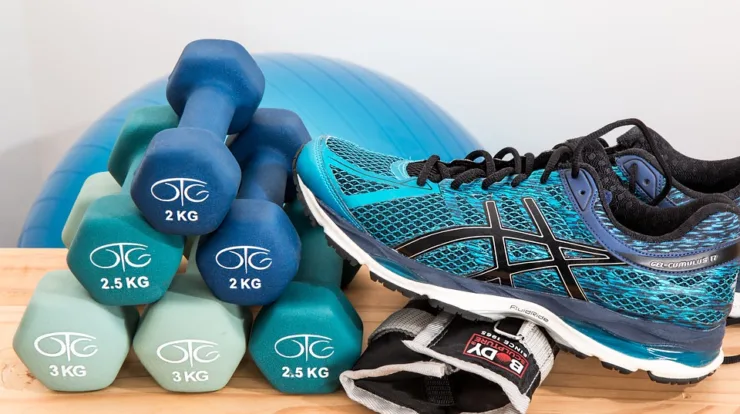
Strength training exercises, such as weightlifting, are particularly effective in boosting RMR. This is because muscle tissue requires more energy to maintain than fat tissue. By building lean muscle mass through strength training, we can increase our RMR and burn more calories throughout the day.
2. Enhancing the Afterburn Effect
The afterburn effect, also known as excess post-exercise oxygen consumption (EPOC), refers to the increased calorie burn that occurs after a workout. Intense exercise, such as high-intensity interval training (HIIT), can elevate the metabolic